
Process
From recognition to the service: what is changing at Tlaxcala’s Civil Registry
I reviewed the agreements behind Tlaxcala’s recognition to understand what changed in a service and what still needs to be measured.

JOURNAL / FRONTEND, DESIGN & CODE
Every project leaves questions, decisions and lessons. Here I put them into words: technology, design and what I discover through creating.
From the worldwide release of GTA VI to a household budget and internet connection in Tlaxcala after a thirteen-year wait.
November 25, 2026 ↗

November 23, 2026 ↗
November 17, 2026 ↗
November 16, 2026 ↗
I reviewed the agreements behind Tlaxcala’s recognition to understand what changed in a service and what still needs to be measured.
A regional university gathering and a state datathon put research and public records to work in Tlaxcala.
From the worldwide release of GTA VI to a household budget and internet connection in Tlaxcala after a thirteen-year wait.
Videos my mother shared led me to investigate the alleged blackout and reflect on AI, misinformation, and what we can actually verify.
The Microsoft outage led me to look at public services in Mexico and Tlaxcala, their dependencies, and what should happen when they stop working.
IT and AI degrees in Tlaxcala: paths to explore based on your interests, local projects, lecturers and real examples of what people build.

Validate JavaScript data before using it: structure, finite numbers and explicit units, without hiding errors behind coercion or default values.

A fetch-based search explores cancellation, out-of-order responses and interface states without confusing the last to finish with the current request.
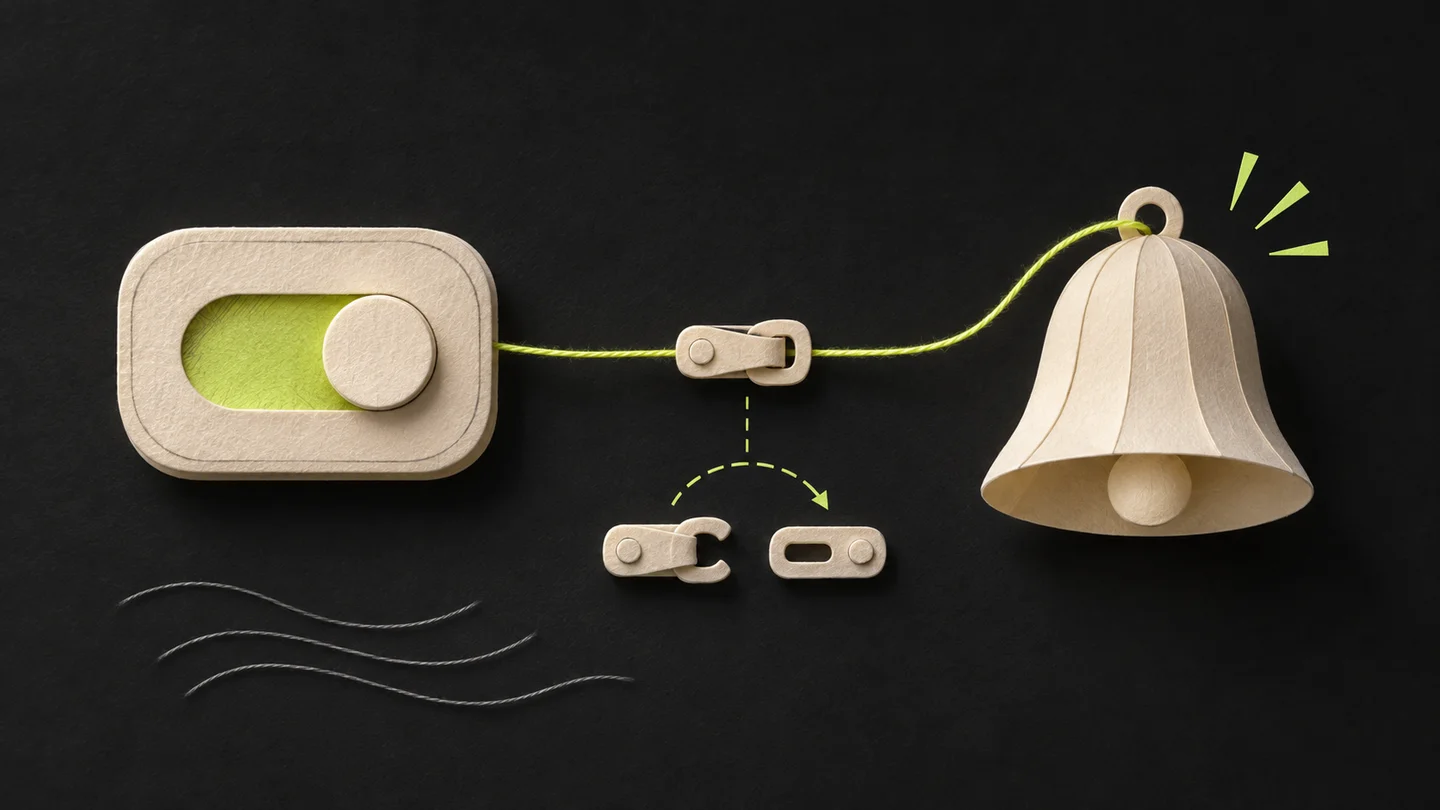
JavaScript events, duplicate subscriptions and AbortController cleanup: defining an interaction's lifetime and checking what it actually does.
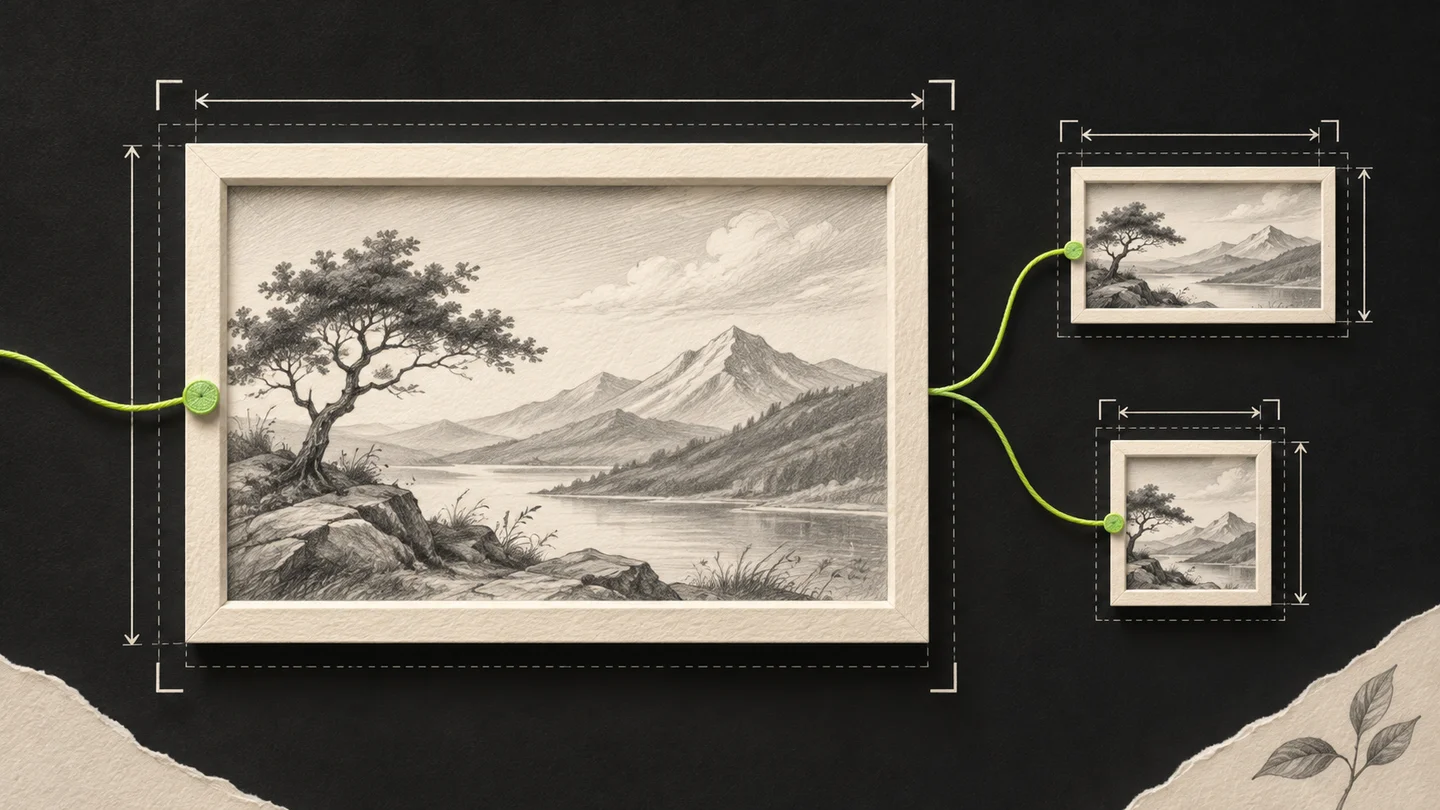
Dimensions, srcset, alternative text and loading priority: preparing images deliberately and checking their effects.
Slugs, redirects, canonical URLs and language versions: keeping signals consistent when a page can have several addresses.

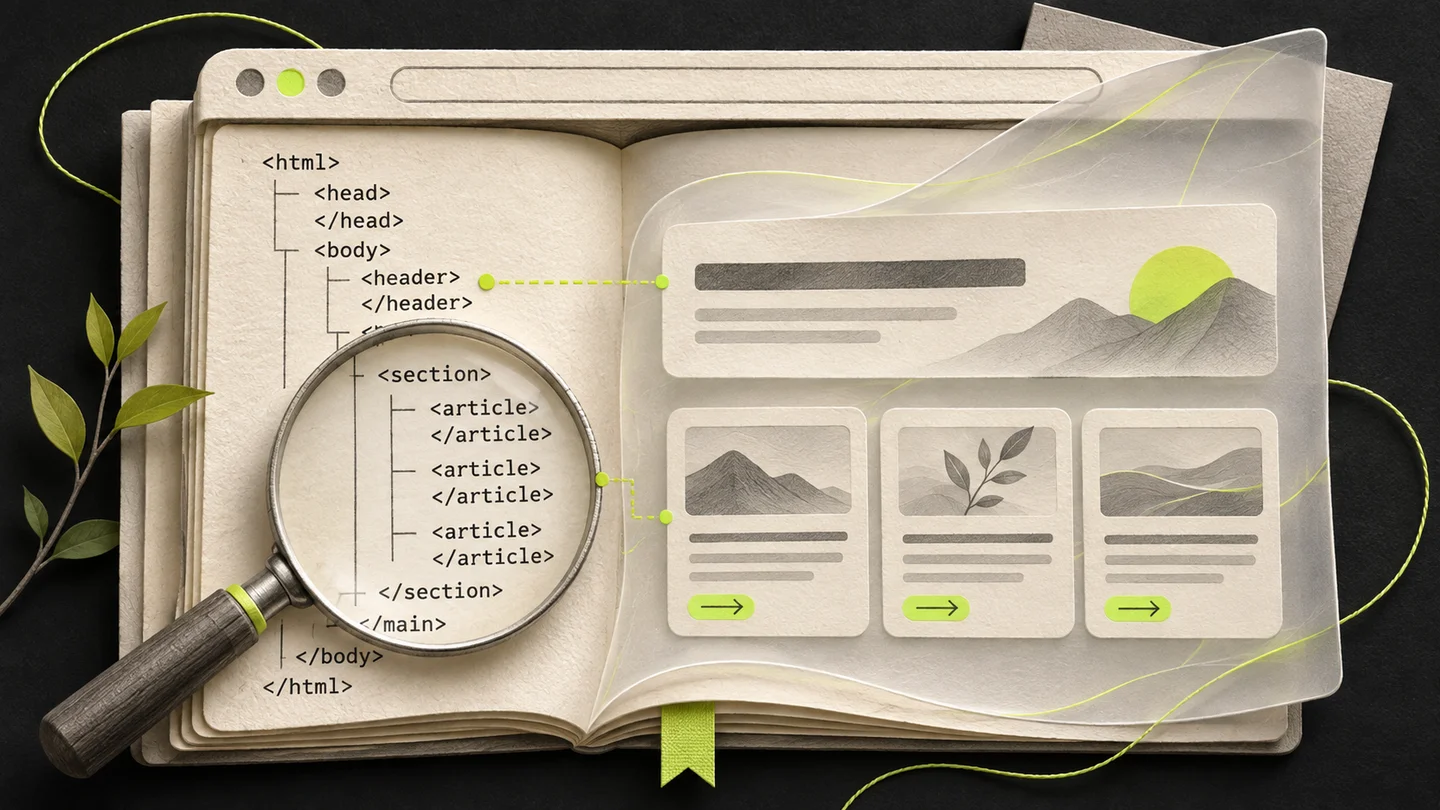
Content, links and metadata before effects: a technical review of initial HTML, HTTP states and what I can actually verify.
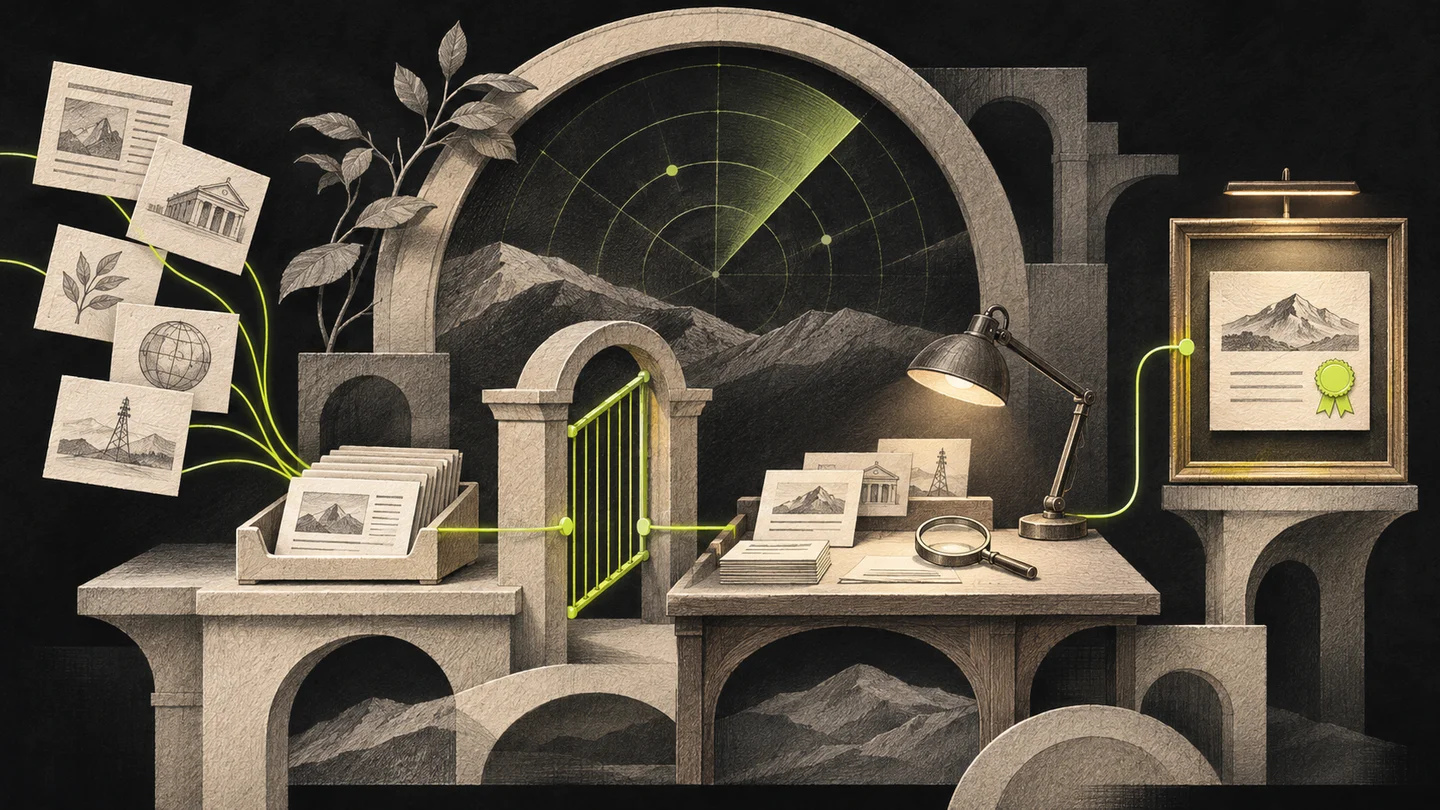
What a URL hash checks in Radar and what remains outside its scope: link variants, similar titles and different sources covering the same event.

Keywords, source fields and contextual rules: why I want to explain what caused a story to receive a classification.
Separating collection, job tracking and editorial states so that capturing content is not mistaken for publishing it.
JSON preferences, SQLite tasks and notes, and decisions for reopening TARS without an account. Local data still needs care.

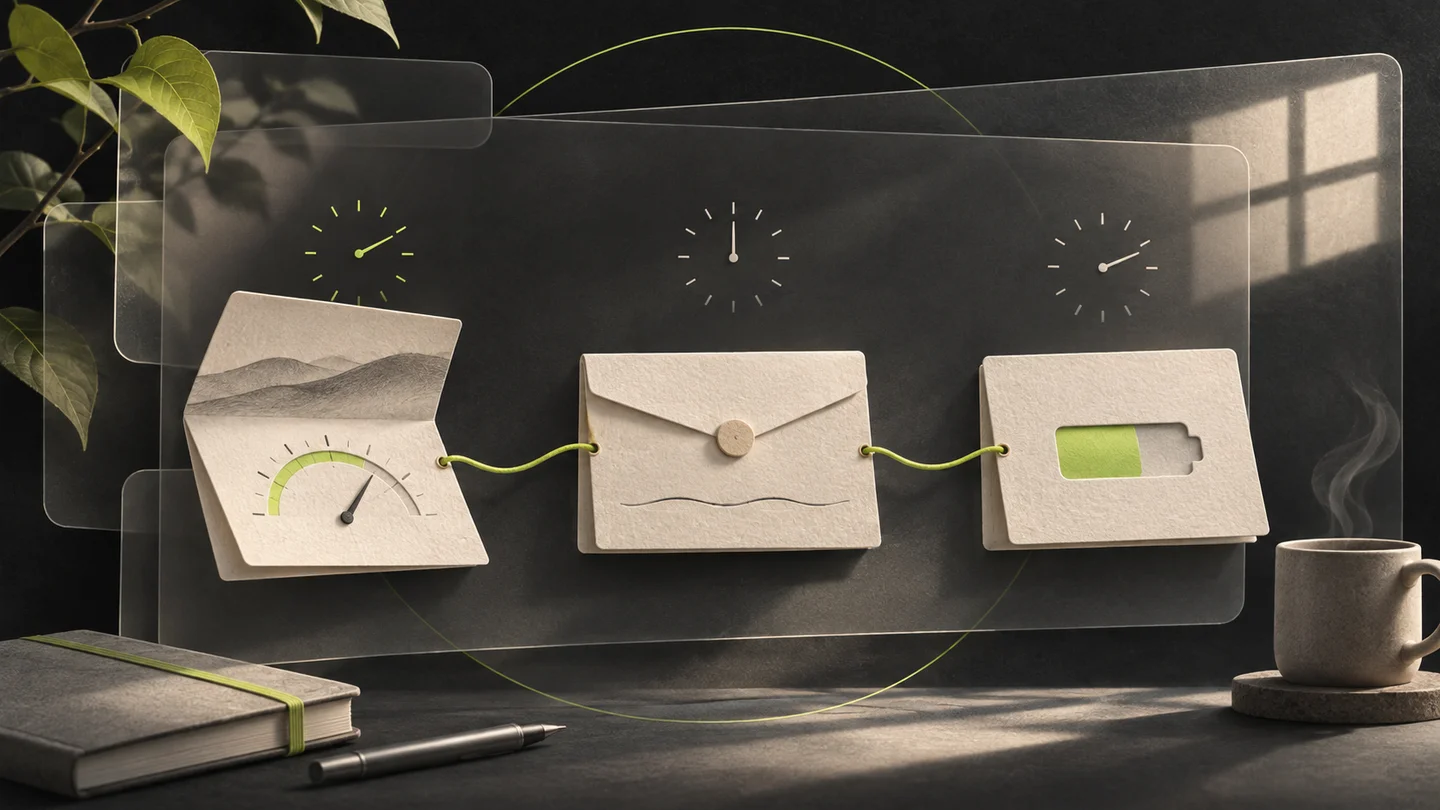
How visibility, periodic requests and device state guide when TARS system metrics do useful work.
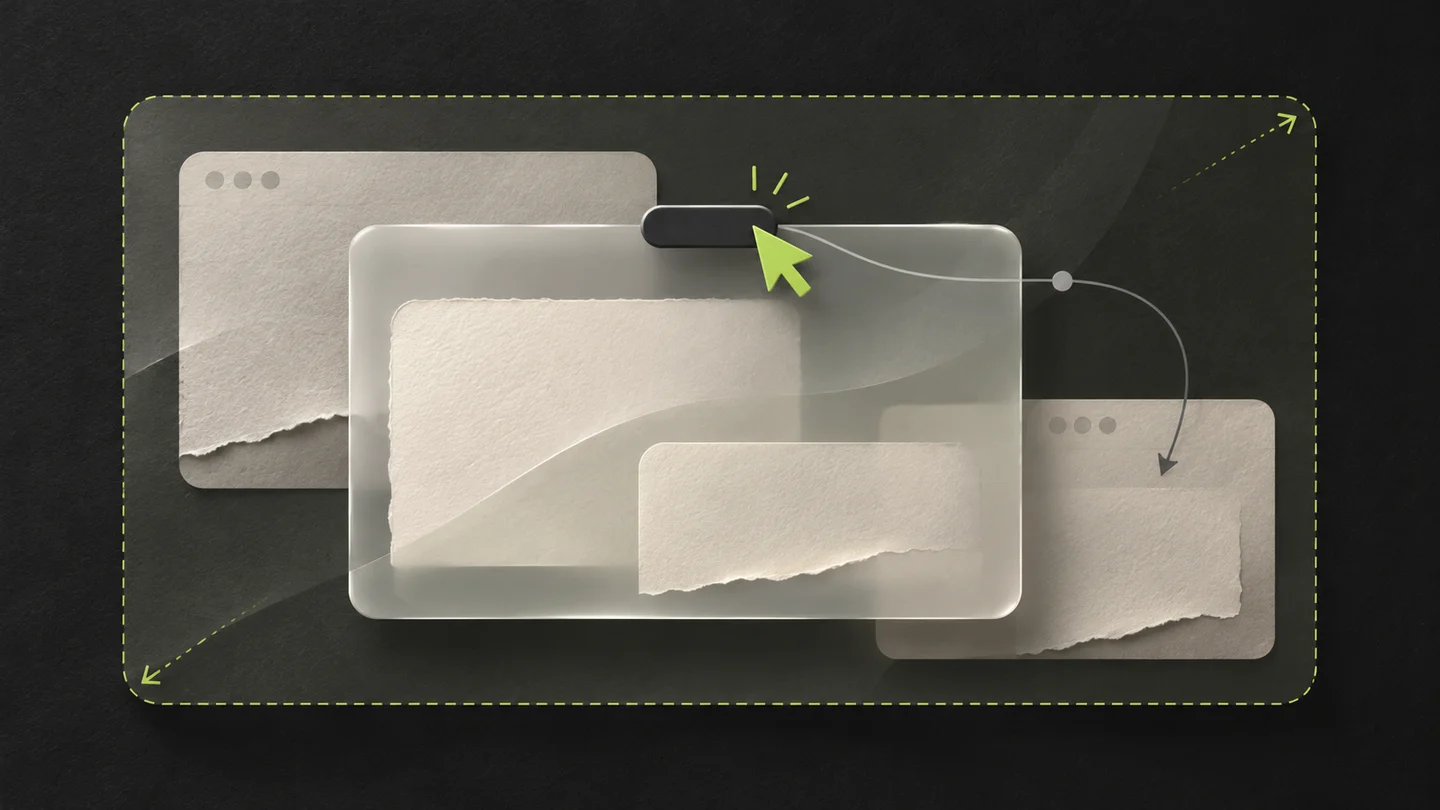
In TARS, the transparent window and the area that receives mouse input are different. How I separated them to coexist with other applications.
A local file missing from Git broke the previous portfolio build. How I traced the dependency and prepared a fallback without credentials.
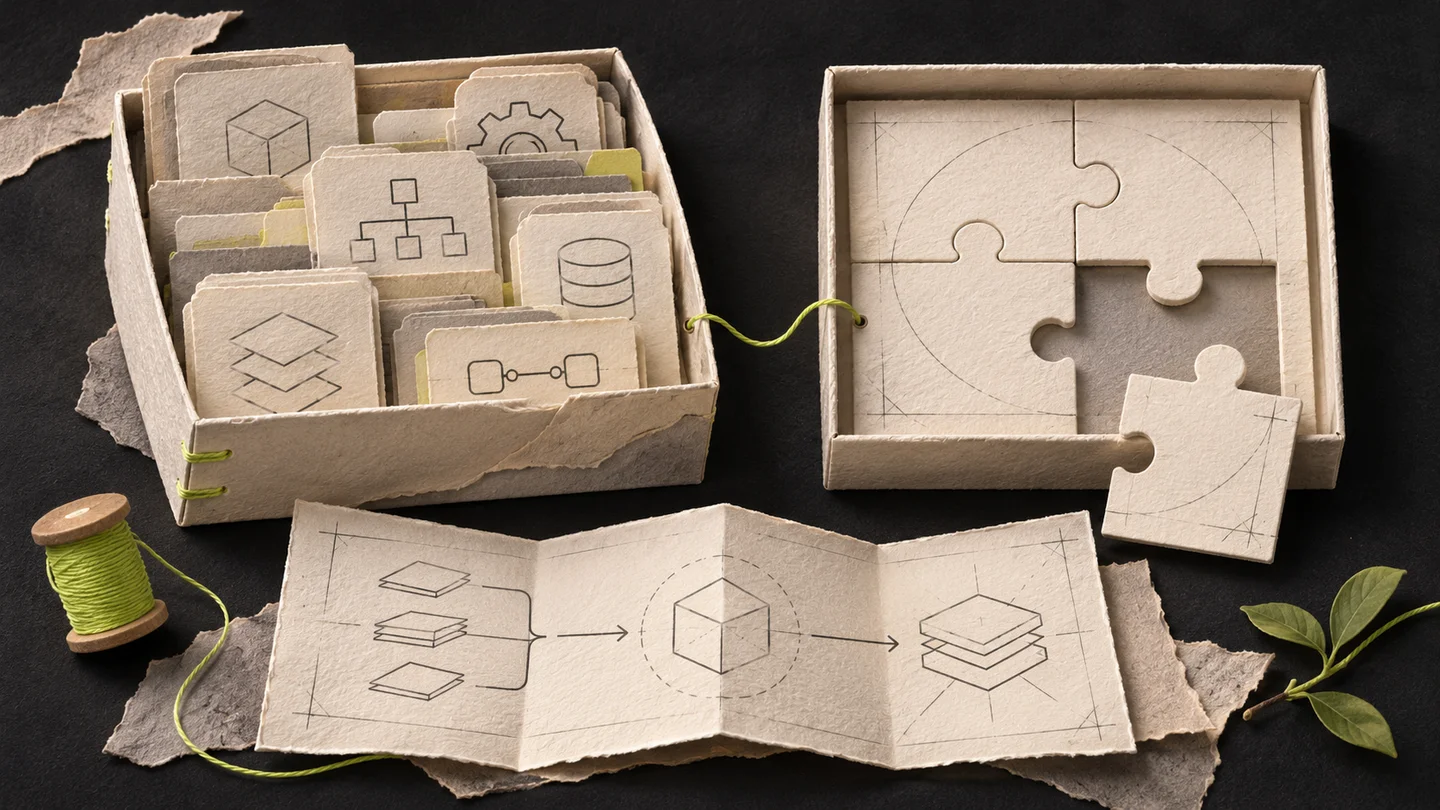
Before accepting a test, I want to understand which behavior it protects and which error it could detect. An example from the portfolio build.

Adjusting the clock and weather reminded me to review how an interface distributes space, rather than only reducing sizes.

What I want to find when returning to my work: how to start, why I made a decision and what remains unfinished. Documentation that helps me too.
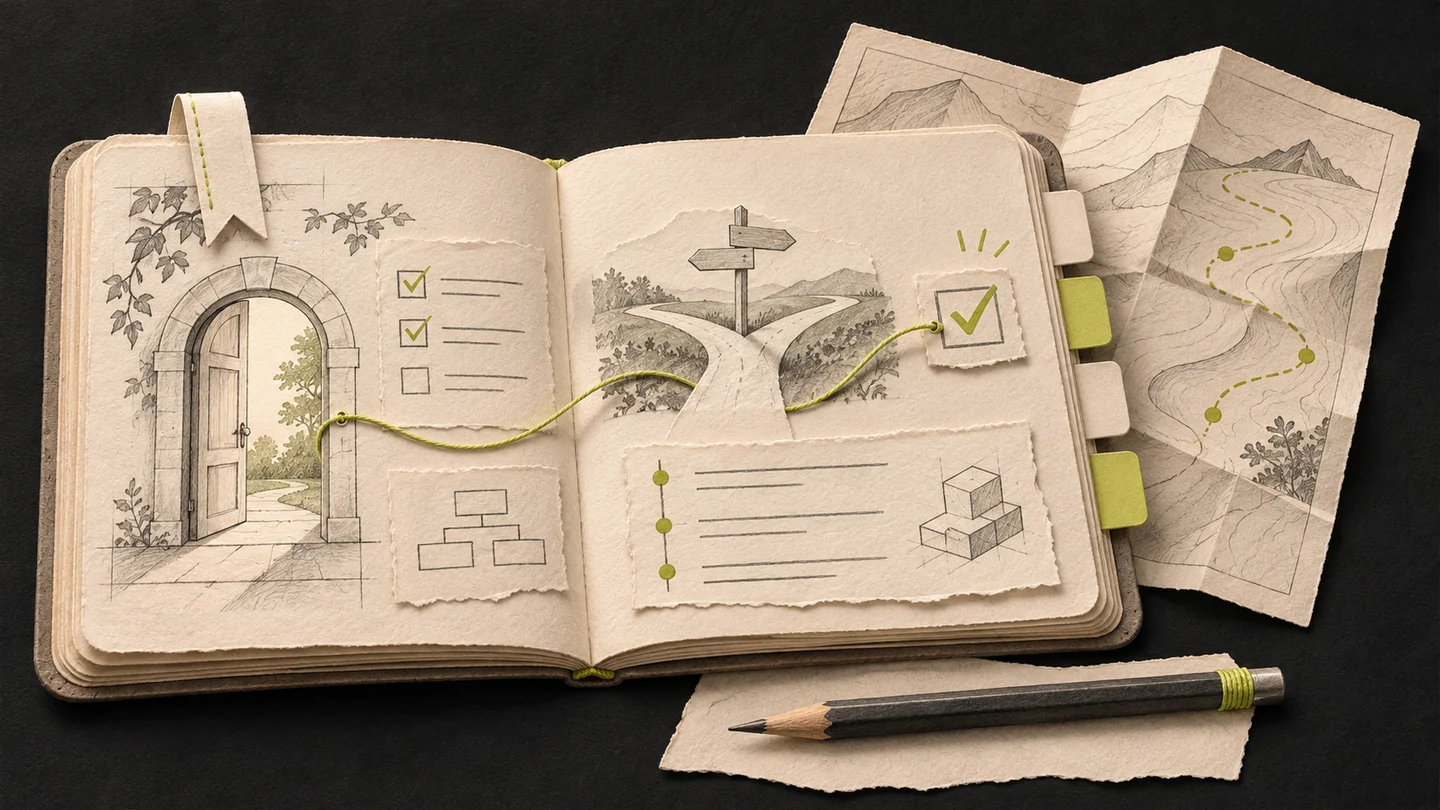
How I separate content that needs to appear first from effects and requests that can wait, using the portfolio as an example.

How I turn a vague request into a concrete brief: explain the problem, set boundaries and review AI suggestions using my own judgment.
Clear states, navigation and error recovery: a practical usability review supported by AI, skills and browser tools.

I want to write down what I learn, retrace my steps through my own words and share the things that matter to me.

Building Radar as a personal project was not easy. Between the idea and the dashboard I can show today, there was plenty to work out, learn and try again.
The clock and weather share a place in my portfolio, but not a dependency. Here is how I separated time, location and a request that can fail.
The portfolio's first hover felt abrupt. Here is how I adjusted the scale, rotation and responsibilities of Three.js, GSAP and Motion.
I wanted a more professional site that reflected how much I had grown and gave people a better sense of my work. These are the decisions behind the redesign.
No articles match this selection.